08/06/26
Huawei introduced its new Xinghe AI Network Security Agentic SOC (Security Operations Center) solution during the Huawei Network Summit 2026 Nor...


A large portion of SAP S/4HANA migration projects face significant challenges even before actual implementation. This is shown by the study "The State of SAP Migrations" conducted by the technology consulting firm ISG.
The research, which surveyed over 200 business and IT leaders from international companies with more than 1,000 employees, reveals that only 18% of organizations use the migration as an opportunity to implement new SAP processes and technologies. In contrast, 49% retain existing processes and data with minimal or no changes.
Missed Opportunities for Transformation
According to analysts, companies often focus on risk minimization rather than strategic transformation. As a result, they miss the potential of automation, analytics, and AI functionalities that S/4HANA offers.
A common reason for limited changes is the pressure related to the end of support for SAP ERP Central Component (ECC). Many organizations start the migration to meet support deadlines rather than to comprehensively modernize their IT environment.
Delays and Budget Overruns
According to ISG, nearly 60% of SAP migrations fall behind schedule and exceed their budget. The main causes are underestimated complexity, scope expansion, and lack of internal resources.
Analysts emphasize that the problems are rarely purely technical. More often, they stem from weak governance and unclear allocation of responsibilities between system integrators, SAP vendors, and specialized partners.
The absence of clear acceptance criteria, defined roles, and independent oversight of key activities such as data preparation, integration testing, and change management leads to delays and scope expansion.
Governance as a Key Success Factor
ISG recommends that companies treat SAP migration governance as a strategic risk management tool rather than an administrative formality.
This includes:
According to analysts, projects that rely on vendors to self-manage often identify problems only when time and financial buffers have already been exhausted.

Huawei introduced its new Xinghe AI Network Security Agentic SOC (Security Operations Center) solution during the Huawei Network Summit 2026 Nor...

Microsoft introduced a new PostgreSQL extension for Visual Studio Code that allows developers to manage PostgreSQL databases directly from the e...

Red Hat announced the upcoming availability of Red Hat Enterprise Linux 10.2 and Red Hat Enterprise Linux 9.8. The new versions build on the cap...
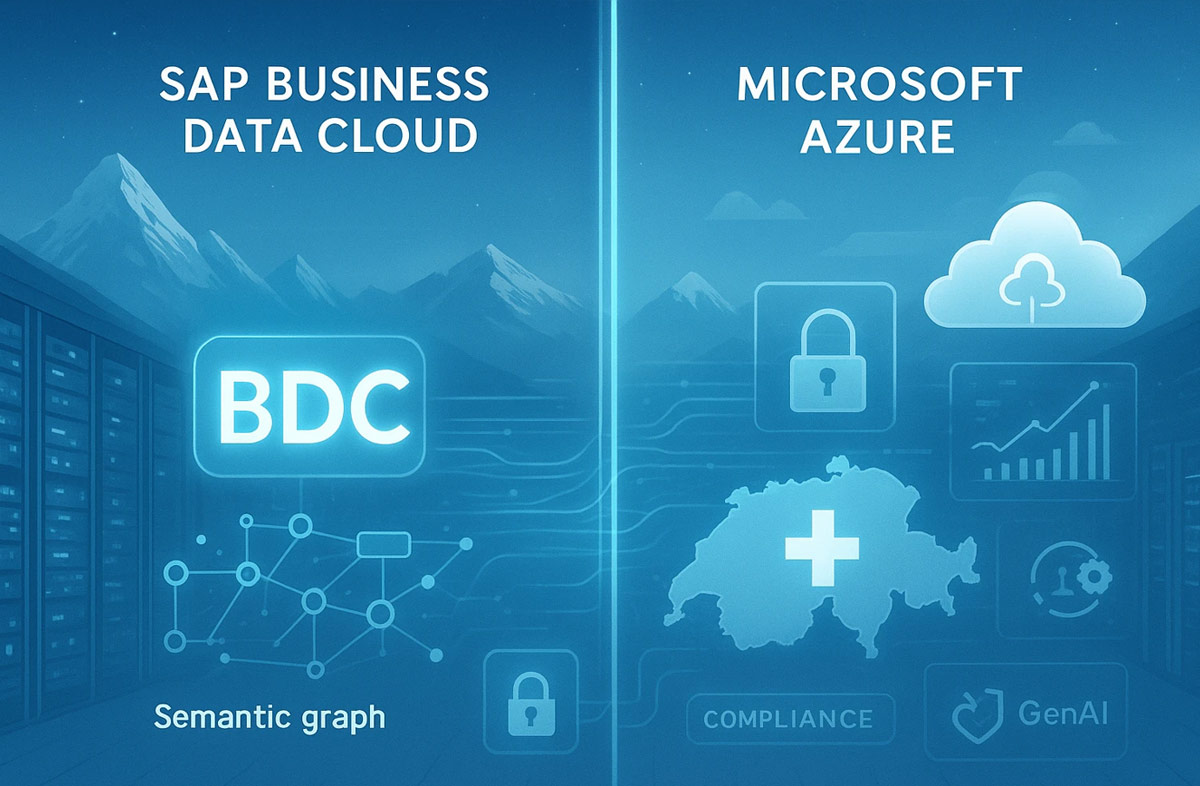
SAP and Microsoft announced that in the coming weeks SAP Business Data Cloud (BDC) will become available in Microsoft Azure data centers in Swit...

Huawei introduced new F5G-A solutions and products during the Huawei Intelligent Africa Congress 2026 in Cairo, Egypt. As part of the event, the...