28/08/26
SAP has announced the acquisition of German AI startup Prior Labs just 18 months after its founding. Backed by an investment of more than €...

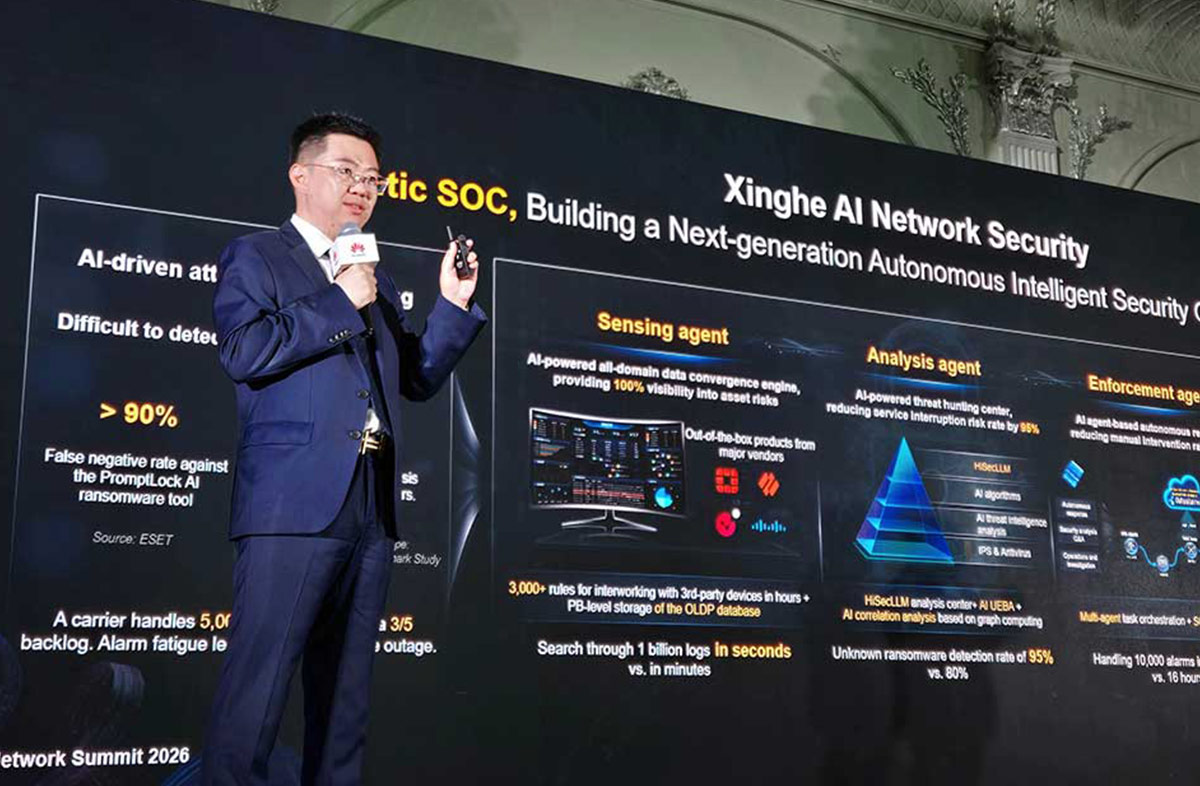
Huawei introduced its new Xinghe AI Network Security Agentic SOC (Security Operations Center) solution during the Huawei Network Summit 2026 North Africa in Cairo, Egypt. The platform is designed to support organizations in building next-generation autonomous cybersecurity operations systems and to protect digital transformation processes across various industries.
AI Against Increasing Cyber Threats
According to Huawei, AI-driven cyberattacks are becoming more sophisticated and frequent, making it difficult for organizations to identify real threats among the vast volume of signals and alerts. To address this challenge, the company has developed a SOC system that combines three intelligent agents:
The solution uses AI technologies for automated detection, analysis, and incident response.
Sensing Agent: Full Risk Visibility
Traditional SIEM systems often provide limited coverage, leaving a significant portion of enterprise assets unmonitored. Xinghe AI Network Security Agentic SOC uses an AI-based engine to aggregate data from:
The platform leverages more than 3,000 AI rules for log analysis and a petabyte-scale database capable of searching billions of records within seconds. According to Huawei, this ensures 100% visibility into risks affecting enterprise assets.
The system also supports rapid deployment with devices from multiple vendors, making integration into existing infrastructures easier.
Analysis Agent: Reducing Business Disruption Risk
Large organizations often generate over 10,000 security alerts daily, making it challenging to identify real threats.
To analyze this data, Huawei uses:
According to the company, this approach can reduce the risk of business disruption caused by unknown threats by up to 95%.
Enforcement Agent: Automated Incident Response
Huawei notes that AI-driven attacks can compromise a corporate network in just two minutes, while traditional manual response often takes more than four hours.
To reduce this time, the platform includes an AI-based agent for automated operations, which also supports external large language models (LLMs). Through coordination between different AI agents, the system provides:
This significantly reduces the need for human intervention and shifts security operations from a reactive to a proactive model.
Focus on the Future of Intelligent Security
Huawei states that it will continue to develop its network security solutions through open collaboration and innovation in AI. The company plans to work with global customers and partners to build more secure digital infrastructures and intelligent protection systems across various industries.

SAP has announced the acquisition of German AI startup Prior Labs just 18 months after its founding. Backed by an investment of more than €...

Huawei OceanProtect data protection solutions have been recognized in the 2026–2027 DCIG TOP 5 Cyber Resilient PBBAs report. The recogniti...
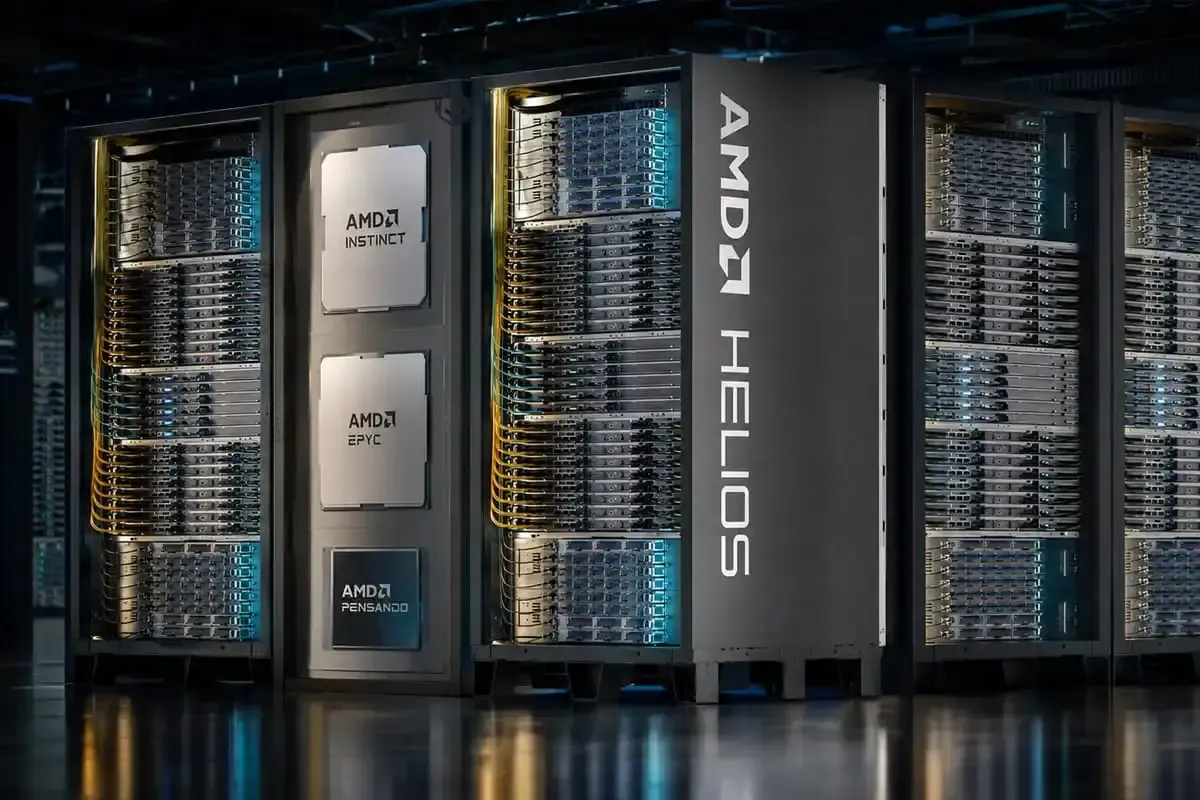
Lenovo has announced that it is among the first OEMs to adopt the new AMD Helios™ rack-scale solution for AI Factory deployments. Designed...
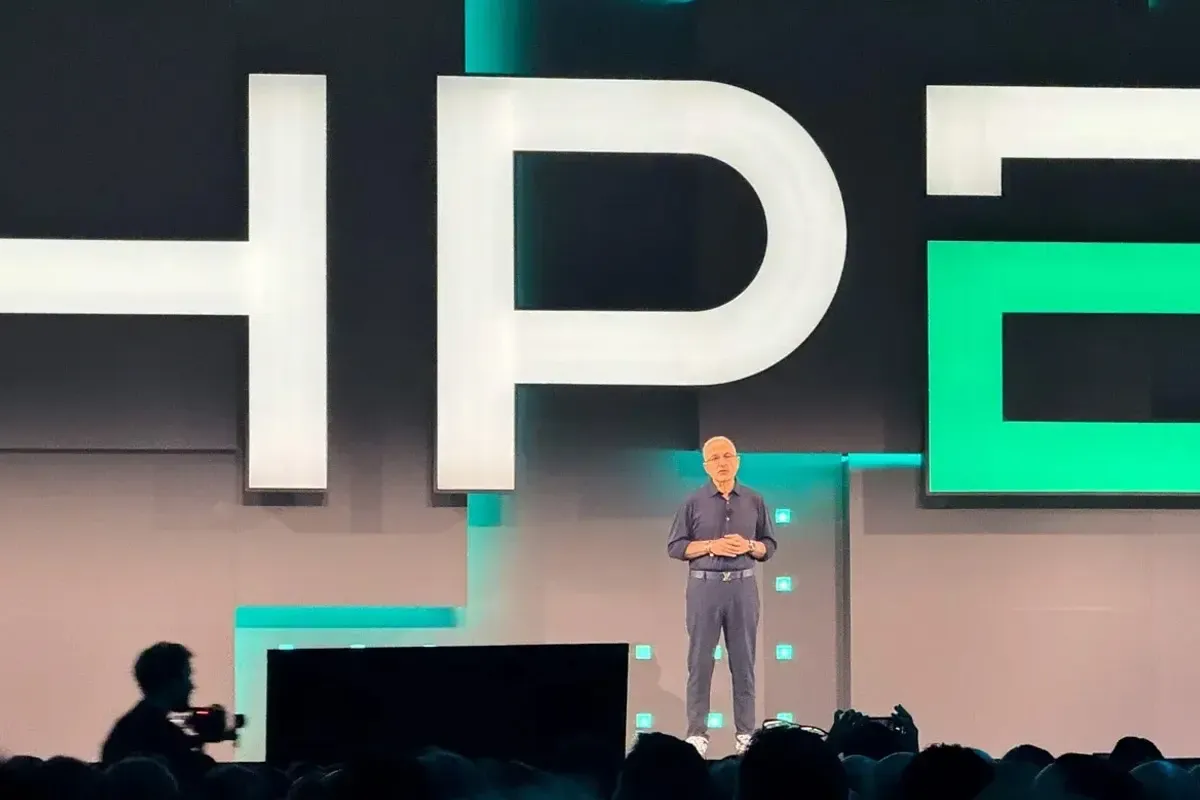
HPE continues to expand its AI-powered networking portfolio by integrating Juniper Networks technologies across its enterprise networking platfo...
Intel and Fortinet have announced a strategic collaboration to develop the Fortinet Security Processor 6 (SP6). The partnership combines Fortine...