20/07/26
Huawei has been named a Leader in the 2026 Gartner® Magic Quadrant™ for Enterprise Wired and Wireless LAN Infrastructure for the fourt...

.webp)
Automation is increasingly becoming a key factor in the effective management of modern IT environments. According to Red Hat, many organizations still spend a significant portion of their teams’ time maintaining infrastructure instead of developing new services and innovations.
Among the most common challenges are manual configurations, constant update cycles, and reactive incident resolution. This places a burden on IT specialists and limits their ability to focus on strategic projects.
Automation instead of reactive management
The traditional IT operations model relies on reacting after problems occur – incidents are resolved after they arise, while updates and configurations often require manual actions.
According to Red Hat, the Red Hat Ansible Automation Platform changes this approach by automating processes such as:
By using playbooks, organizations can execute the same operations consistently across all environments, reducing the risk of human error and missed steps.
OpenShift combines speed and control
Another key component of Red Hat’s strategy is Red Hat OpenShift.
The platform is designed to provide a consistent environment for application development and deployment regardless of whether the infrastructure is:
This allows development teams to focus on their applications without dealing with differences between various infrastructure environments.
At the same time, security and operations teams gain the necessary visibility, control, and management mechanisms without slowing down deployment processes.
Data shows growing interest in automation
Red Hat highlights several indicators that reflect the benefits of automation:
Automation as the foundation for future IT operations
With the growing complexity of hybrid cloud infrastructures, container platforms, and AI applications, automation is becoming a key tool for reducing the operational burden on IT teams.
According to Red Hat, the combination of Ansible Automation Platform and OpenShift enables organizations to automate routine tasks, improve infrastructure reliability, and free up resources for innovation and the development of new services.
The company believes that automation is no longer just a tool for optimization, but a critical element of the long-term strategy for modernizing IT operations and managing hybrid environments.
.webp)
Huawei has been named a Leader in the 2026 Gartner® Magic Quadrant™ for Enterprise Wired and Wireless LAN Infrastructure for the fourt...
.webp)
Ubiquiti is expanding its UniFi portfolio with UniFi Express – a compact all-in-one device designed for small offices, freelancers, and ad...
.webp)
TP-Link has announced the Archer 8 – its first Wi-Fi 8 router, even though the Wi-Fi 8 standard has not yet been officially finalized. The...
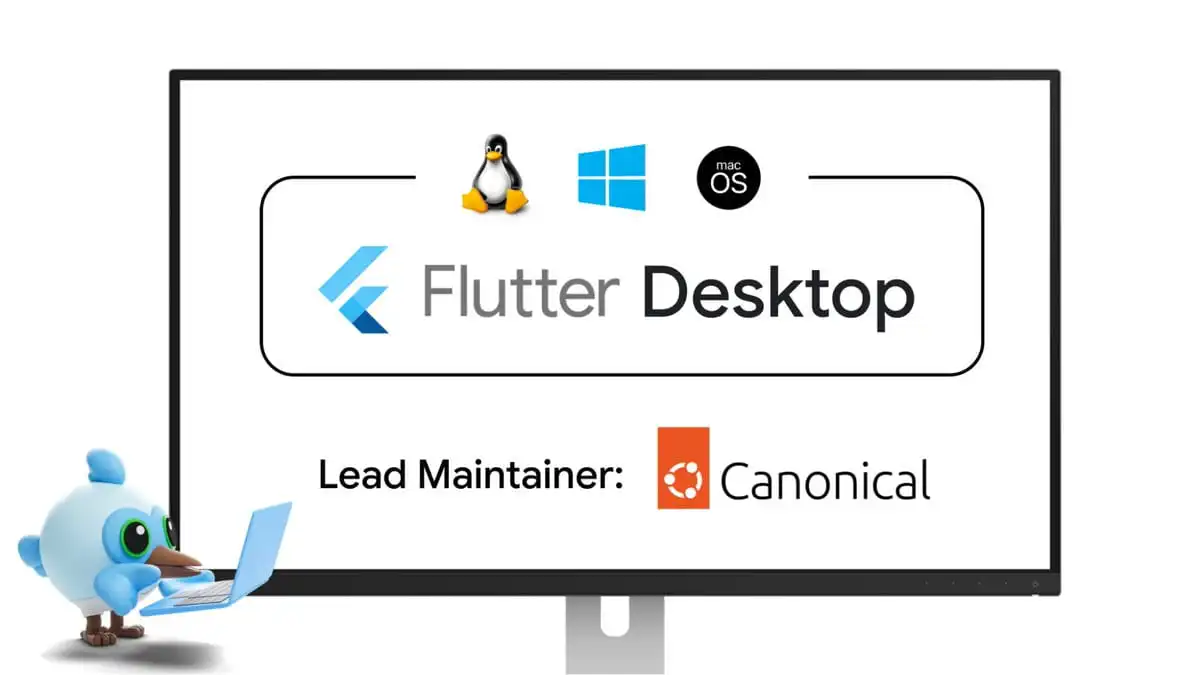
During Google I/O 2026, Google announced that Canonical will become the primary maintaining partner and strategic lead for Flutter Desktop. The ...
.webp)
SAP continues to advance its artificial intelligence strategy with plans to deploy over 200 AI agents for finance, supply chain, and human resou...