26/06/26
Automation is increasingly becoming a key factor in the effective management of modern IT environments. According to Red Hat, many organizations...

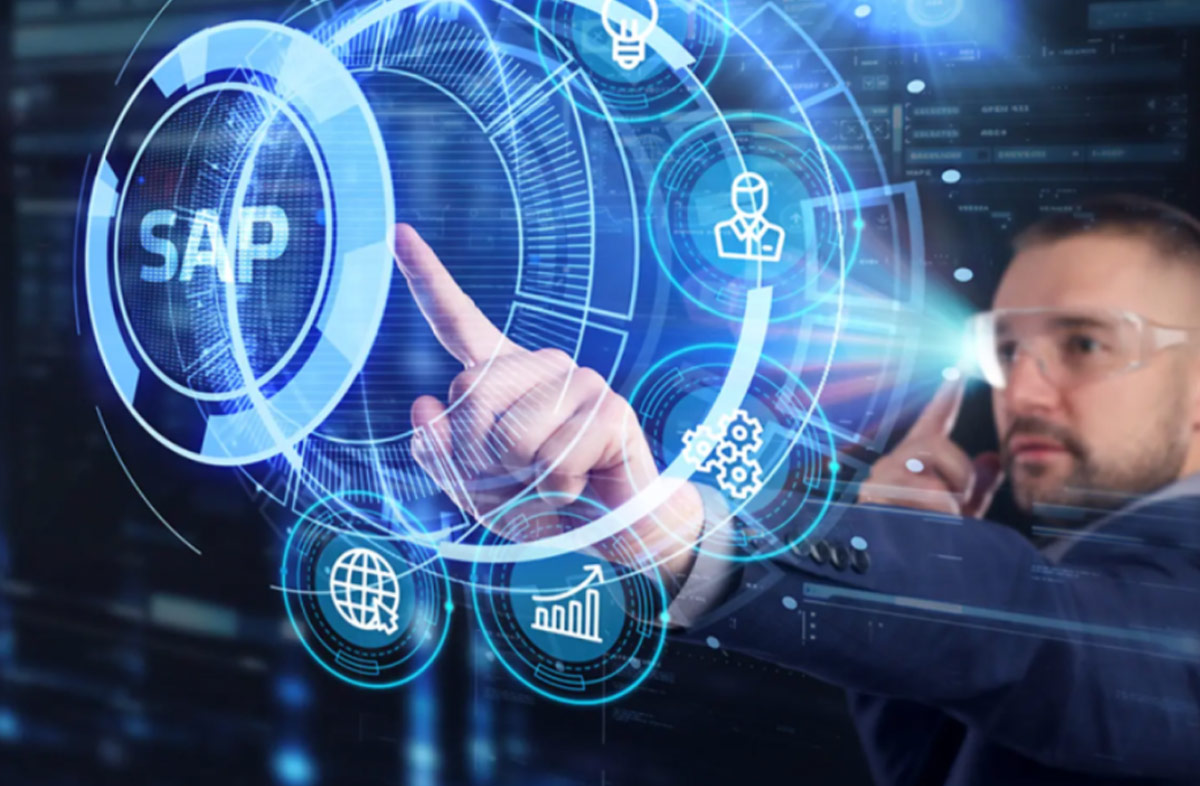
SAP, Hewlett Packard Enterprise (HPE), and the evolution of hybrid cloud infrastructures are increasingly at the center of discussions about digital sovereignty in Europe. The topic is no longer limited to migration to SAP S/4HANA or ERP modernization, but extends to how much control organizations can retain over their data, infrastructure, and AI environments.
According to the analysis, more and more companies are questioning whether SAP Cloud ERP must necessarily run on global hyperscaler infrastructure, or whether there are alternatives that allow for a higher level of independence and control.
SAP expands its strategy with Rise Journey
In 2025, SAP enhances its cloud transformation strategy through the “Rise Journey” concept. Instead of a model focused mainly on migration to S/4HANA and a standard cloud approach, the new strategy emphasizes long-term transformation aligned with specific business goals.
The new model provides greater flexibility in terms of:
This is particularly important for large organizations, where full migration to S/4HANA before the end of support in 2030 remains a significant challenge.
Challenges in S/4HANA migrations
According to the analysis, many companies are still at the early stages of their S/4 transformation. In many cases, organizations are not yet able to clearly assess the real impact on:
An additional challenge is dependency on hyperscaler providers. Beyond software lock-in, companies are increasingly facing infrastructure dependency, which can limit their technological and organizational independence.
SAP Cloud ERP Private and the on-prem cloud model
As an alternative, SAP offers the SAP Cloud ERP Private model, Customer Data Center Option (CDC). In this model, SAP software runs in the customer’s own data center or in a chosen colocation environment.
Technologically, the system remains identical to cloud variants used by hyperscaler providers, but the organization retains physical control over:
This is considered an important factor in disaster recovery scenarios or when a change in cloud strategy is required.
HPE GreenLake as a hybrid cloud alternative
HPE GreenLake plays a key role in this model. The solution provides compute, storage, and networking resources “as-a-service,” but within infrastructure chosen by the customer.
SAP uses GreenLake as an on-prem cloud option for organizations that do not want to rely entirely on public cloud platforms. This allows companies to use typical cloud management and billing models while maintaining a higher degree of control over:
Real-world examples and infrastructure for SAP environments
An example highlighted is the Danish company Danfoss, which uses SAP S/4HANA through HPE GreenLake Cloud Services in its own energy-efficient modular data centers in Denmark.
The analysis also points to the role of Intel Xeon-based HPE servers, which are used both in hyperscaler environments and in private cloud and enterprise infrastructures for SAP services.
AI transformation increases complexity
Alongside ERP transformations, organizations are increasingly adopting AI solutions, which further increases the need for scalable and secure hybrid cloud infrastructure.
HPE positions GreenLake as a foundation for AI environments where workloads can run:
The company views AI as a hybrid and controllable service, rather than a solution fully dependent on public cloud.
Balancing innovation and control
According to the analysis, organizations face the need to balance the adoption of modern cloud and AI technologies with maintaining technological and economic control.
Topics around SAP transformation, AI infrastructure, and hybrid cloud strategies are increasingly becoming not just IT projects, but strategic decisions related to digital sovereignty and long-term business independence.
.webp)
Automation is increasingly becoming a key factor in the effective management of modern IT environments. According to Red Hat, many organizations...

Google Cloud presented details about its latest technical developments and upstream contributions to PostgreSQL, aimed at improving logical repl...
Dell Technologies and AMD announced an expansion of their on-prem AI infrastructure portfolio by adding support for AMD Instinct MI350P PCIe GPU...
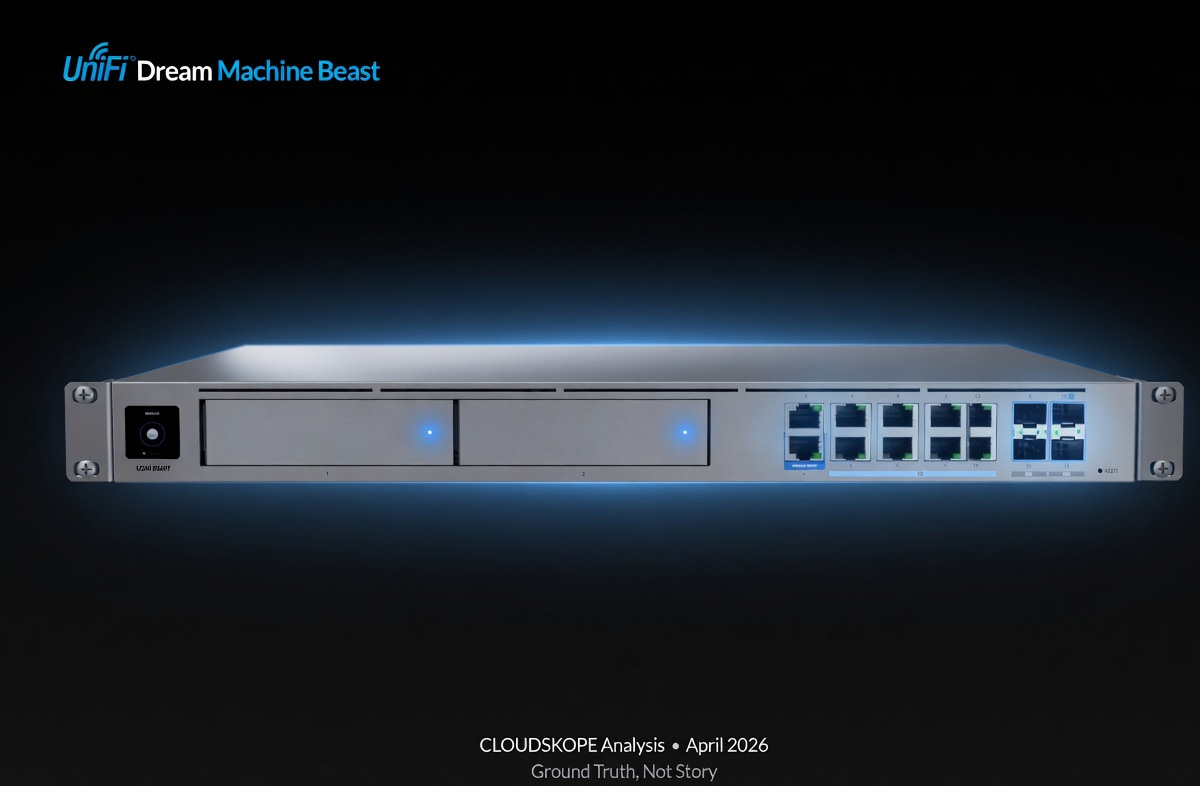
Ubiquiti introduced the new UniFi Dream Machine Beast – a high-performance gateway solution designed for enterprise and large-scale networ...
SAP, Hewlett Packard Enterprise (HPE), and the evolution of hybrid cloud infrastructures are increasingly at the center of discussions about dig...