21/08/26
Huawei OceanProtect data protection solutions have been recognized in the 2026–2027 DCIG TOP 5 Cyber Resilient PBBAs report. The recogniti...

In recent years, SAP has consistently been steering its customers toward cloud solutions. With initiatives such as “Business Unleashed”, the company is accelerating the transition to SAP S/4HANA, raising an important question for organizations: how prepared they are for the next stage of digital transformation and which factors will be key by 2026.
S/4HANA is already widely implemented
Analyses and market research show that SAP S/4HANA is already widely used in the DACH region (Germany, Austria, and Switzerland), particularly in cloud environments. Around 60% of companies in Germany already use the ERP system – both in the cloud and in local (on-premises) infrastructures.
The trend is clear: public cloud models are gradually dominating, while only about one fifth of companies continue to run S/4HANA entirely in their own data centers.
Cloud migration requires more than speed
The shift is also visible in organizations’ plans. 85% of companies that still operate on local systems plan to move to the cloud, with more than half of them targeting the public cloud.
In practice, however, this process is rarely seamless. Data shows that 84% of companies have rolled back after an initial cloud migration. This clearly demonstrates that a successful transition to a cloud environment requires not only rapid action but also careful preparation.
Despite the challenges, 7 out of 10 companies see SAP S/4HANA as a key driver of their digital transformation. At the management level, the system is no longer viewed merely as a technological upgrade, but as a strategic platform for innovation, process optimization, and long-term sustainability.
High satisfaction, but also criticism from IT
Overall satisfaction with the system remains high – 85% of respondents rate their use of S/4HANA positively. Nevertheless, there are differences in opinions between departments.
While management and business teams are highly satisfied, IT specialists tend to be more critical. Only around two thirds of IT managers give a positive assessment of their current situation.
The main reasons are well known:
For many IT teams, the transformation requires additional effort at a time when the market is already facing a serious shortage of experts.
Data and infrastructure are the main obstacles
In many cases, the issue is not the system itself but the conditions surrounding the implementation. For more than one third of companies, the biggest challenge is adapting their existing IT infrastructure.
Other key difficulties include:
All of this shows that moving to the cloud is not an automatic guarantee of success. Excessively rapid migration without preparing data, processes, and responsibilities can lead to delays, additional costs, and dissatisfaction among IT teams.
Especially with public cloud models, clear decisions, realistic timelines, and a good understanding of the existing SAP architecture are necessary.
The role of external partners
Despite the challenges, the transformation brings significant benefits. Companies that approach the implementation of SAP S/4HANA strategically achieve greater transparency, more efficient processes, and better opportunities for innovation.
In this process, external expertise also plays an important role, for example in the area of software asset management. Topics such as license compliance, cost control, and budget transparency remain critically important during migration as well.
SAP S/4HANA is not simply a new ERP product. It is becoming the foundation for long-term digital transformation. Companies that want to remain competitive in 2026 must rely on a clear strategy, high-quality data, and strong teams – both internal and external.
Only under these conditions can technological change turn into real business progress.
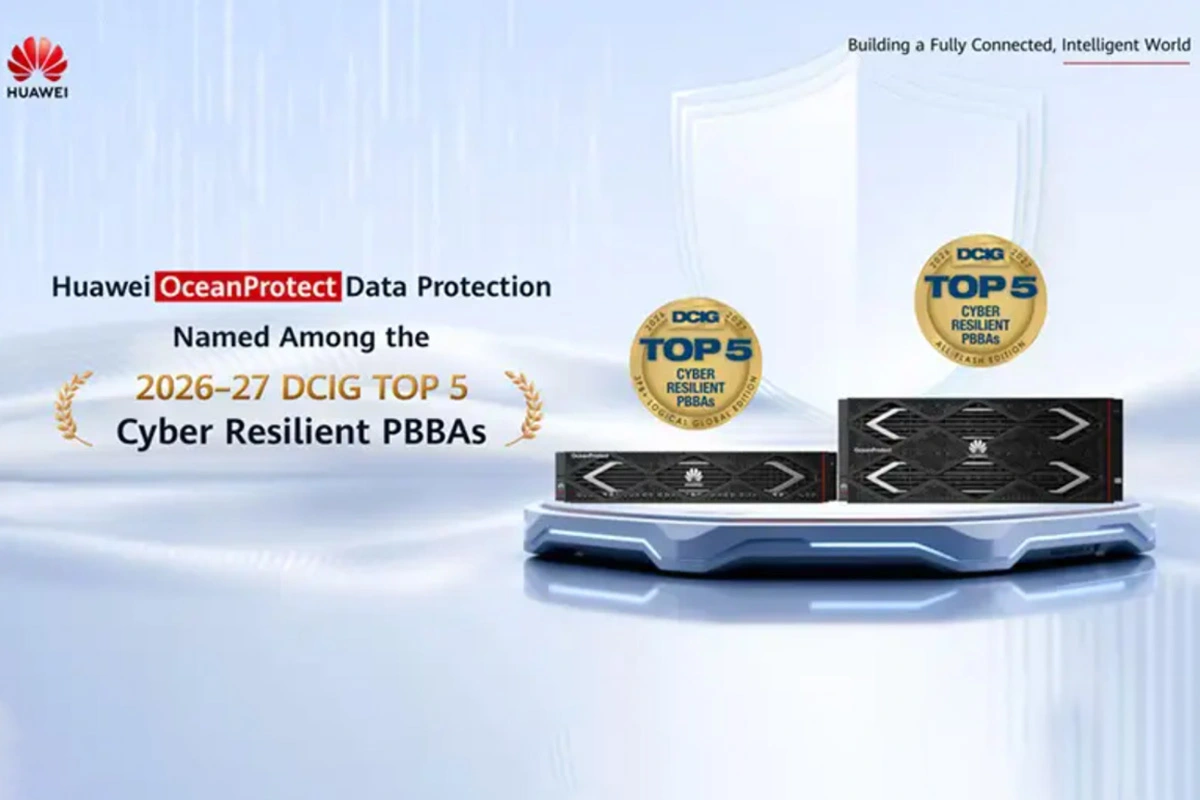
Huawei OceanProtect data protection solutions have been recognized in the 2026–2027 DCIG TOP 5 Cyber Resilient PBBAs report. The recogniti...

Lenovo has announced that it is among the first OEMs to adopt the new AMD Helios™ rack-scale solution for AI Factory deployments. Designed...

HPE continues to expand its AI-powered networking portfolio by integrating Juniper Networks technologies across its enterprise networking platfo...
Intel and Fortinet have announced a strategic collaboration to develop the Fortinet Security Processor 6 (SP6). The partnership combines Fortine...

The European Commission has made SAP's commitments legally binding following an investigation into competition concerns related to maintenance a...