08/06/26
Huawei introduced its new Xinghe AI Network Security Agentic SOC (Security Operations Center) solution during the Huawei Network Summit 2026 Nor...
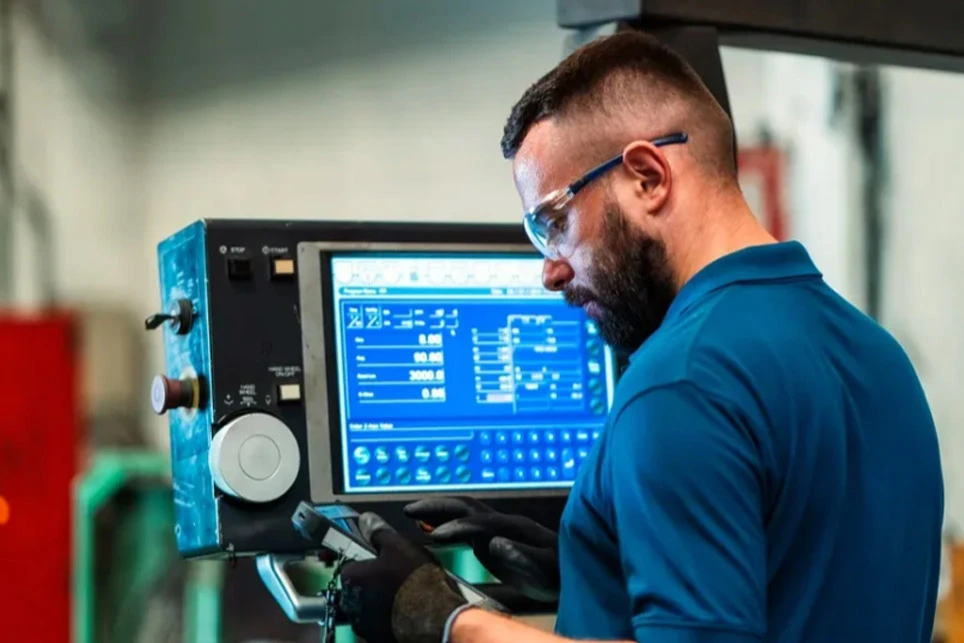
As operational technology (OT) networks expand, manufacturing companies are increasingly deploying solutions based on artificial intelligence and machine learning to protect themselves from increasingly complex cyber threats. This is highlighted in Fortinet’s 2025 State of Operational Technology and Cybersecurity Report.
Increased executive oversight of OT security
More than 50% of organizations report that the CISO or CSO is directly responsible for OT security — a significant increase from 16% in 2022. When all C-level roles involved in oversight are included, this share rises to 95%.
According to Nirav Shah, Senior Vice President, Products and Solutions at Fortinet, companies that prioritize OT security report a measurable reduction in the impact of incidents.
Manufacturing remains the most targeted sector
Manufacturing accounts for roughly one quarter of all global cyberattacks. In 2023 the sector experienced 638 attacks, while in 2024 an average of 1.65 phishing attacks per user was recorded.
Among the main threats are ransomware and malware such as Ekans and Industroyer2, which exploit weak segmentation in older OT environments.
AI monitoring reduces incidents
AI-based anomaly detection systems allow early identification of unusual behavior in industrial protocols and controllers.
Fortinet reports that organizations with higher OT maturity — including those using AI monitoring — reduce operational disruptions and financial impact from 52% to 42% year-over-year.
Companies that consolidate vendors into integrated OT security platforms achieve up to 93% reduction in incidents compared with networks without segmentation, as well as seven-times faster incident response.
Recommended security measures
Fortinet recommends:
The manufacturing sector has minimal tolerance for downtime, making it a preferred target for cybercriminals. The data shows that a combination of executive commitment and intelligent monitoring systems is key to sustainable protection of industrial infrastructure
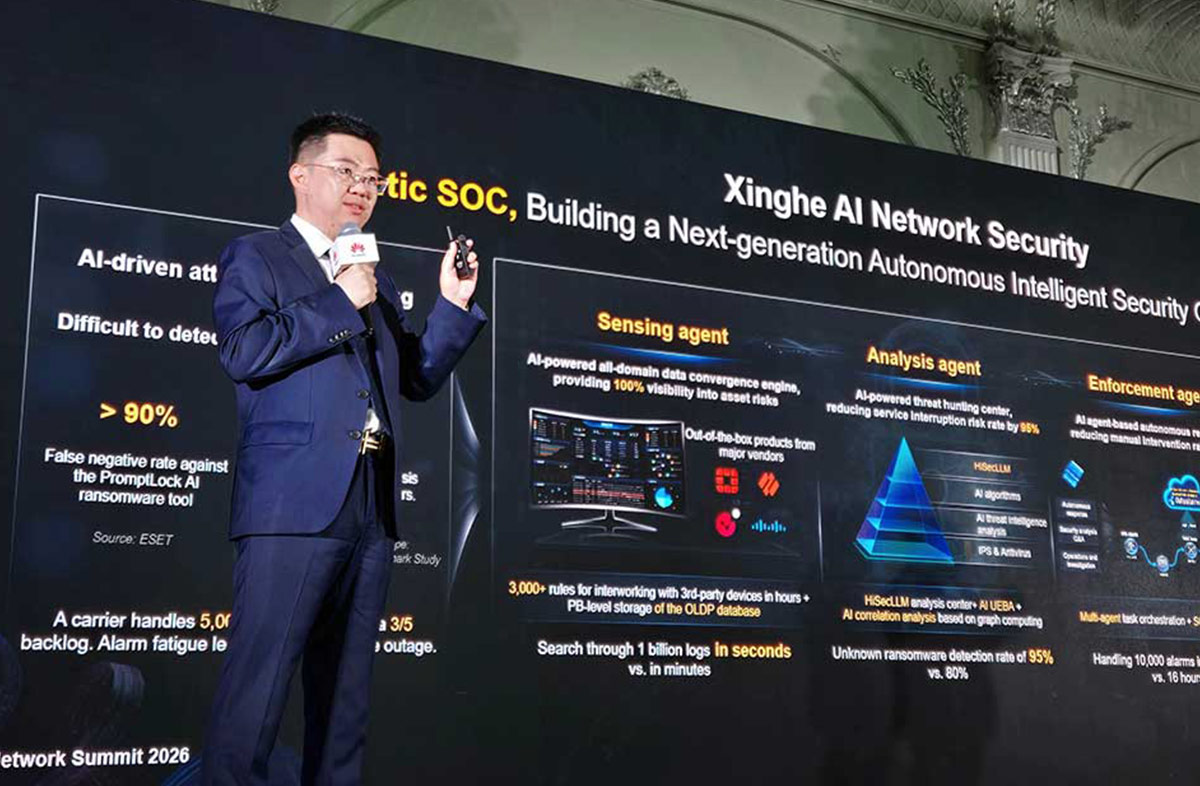
Huawei introduced its new Xinghe AI Network Security Agentic SOC (Security Operations Center) solution during the Huawei Network Summit 2026 Nor...

Microsoft introduced a new PostgreSQL extension for Visual Studio Code that allows developers to manage PostgreSQL databases directly from the e...

Red Hat announced the upcoming availability of Red Hat Enterprise Linux 10.2 and Red Hat Enterprise Linux 9.8. The new versions build on the cap...
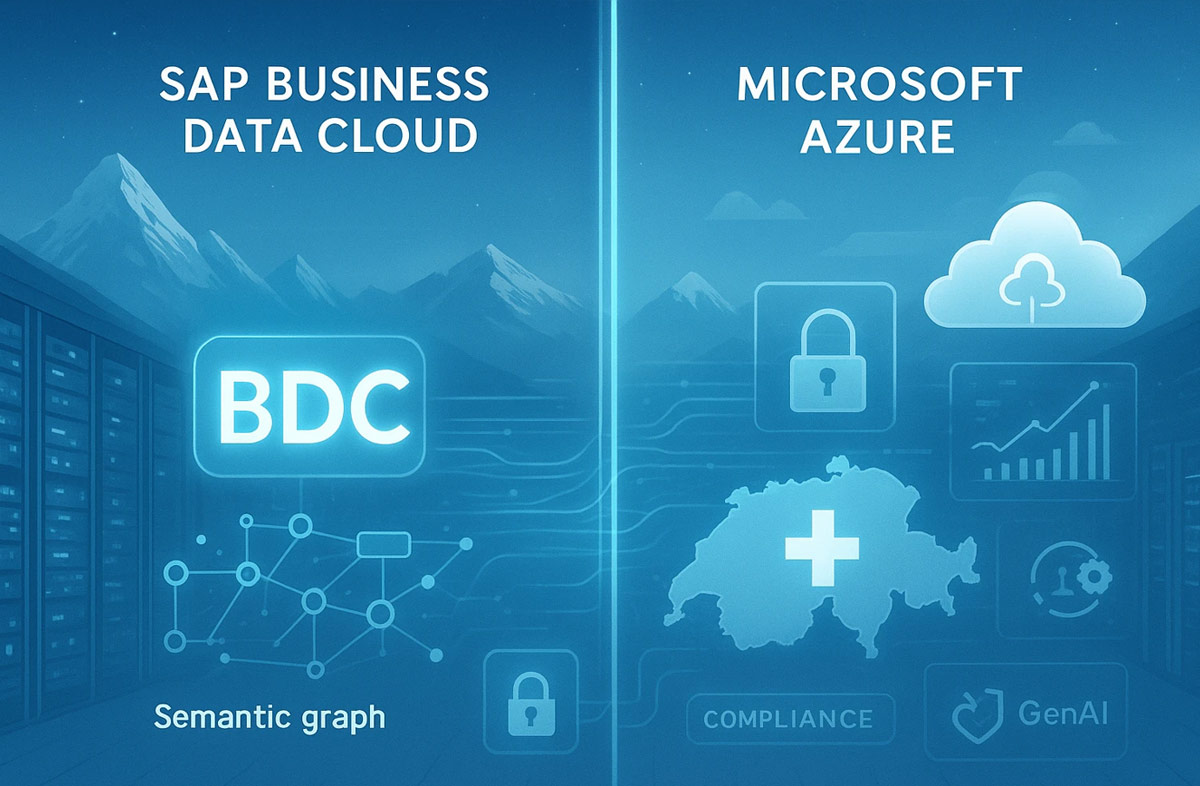
SAP and Microsoft announced that in the coming weeks SAP Business Data Cloud (BDC) will become available in Microsoft Azure data centers in Swit...

Huawei introduced new F5G-A solutions and products during the Huawei Intelligent Africa Congress 2026 in Cairo, Egypt. As part of the event, the...