08/06/26
Huawei introduced its new Xinghe AI Network Security Agentic SOC (Security Operations Center) solution during the Huawei Network Summit 2026 Nor...


The fifteenth edition of PostgreSQL Conference Europe took place from October 22 to 24, 2025, in Riga, Latvia, bringing together database administrators, developers, and experts from the PostgreSQL community.
The conference has traditionally established itself as one of the leading events for open-source databases in Europe, and this year’s program offered rich content – from in-depth technical analyses to discussions about the community and project development.
PostgreSQL 18 – Main Focus of the Event
Many of the presentations were dedicated to the upcoming PostgreSQL 18 release and its improvements.
Key topics included:
AI, Vector Search, and Analytical Workloads
Reflecting current industry trends, the conference put strong emphasis on PostgreSQL’s role in AI environments.
Topics discussed included:
For professionals managing production environments, solutions were presented for:
Performance and Internal Architecture
Some sessions offered a deep dive into PostgreSQL’s internal workings, including:
Development and Data Modeling
For developers, best practices were presented for:
Community and Project Sustainability
In addition to technical topics, the conference addressed issues related to compatibility standards, project history, and why PostgreSQL became the leading open-source database.
Special attention was given to the role of “invisible work” in the community – management, translations, event organization – as well as the topic of mental health among developers.
Among the most discussed presentations were sessions on AIO in PostgreSQL 18, analysis of PostgreSQL’s evolution compared to MySQL, and the demonstration of Tetris implemented entirely with SQL.
All conference lectures have been published online, providing professionals with the opportunity to explore in detail the latest developments and trends in the PostgreSQL ecosystem.
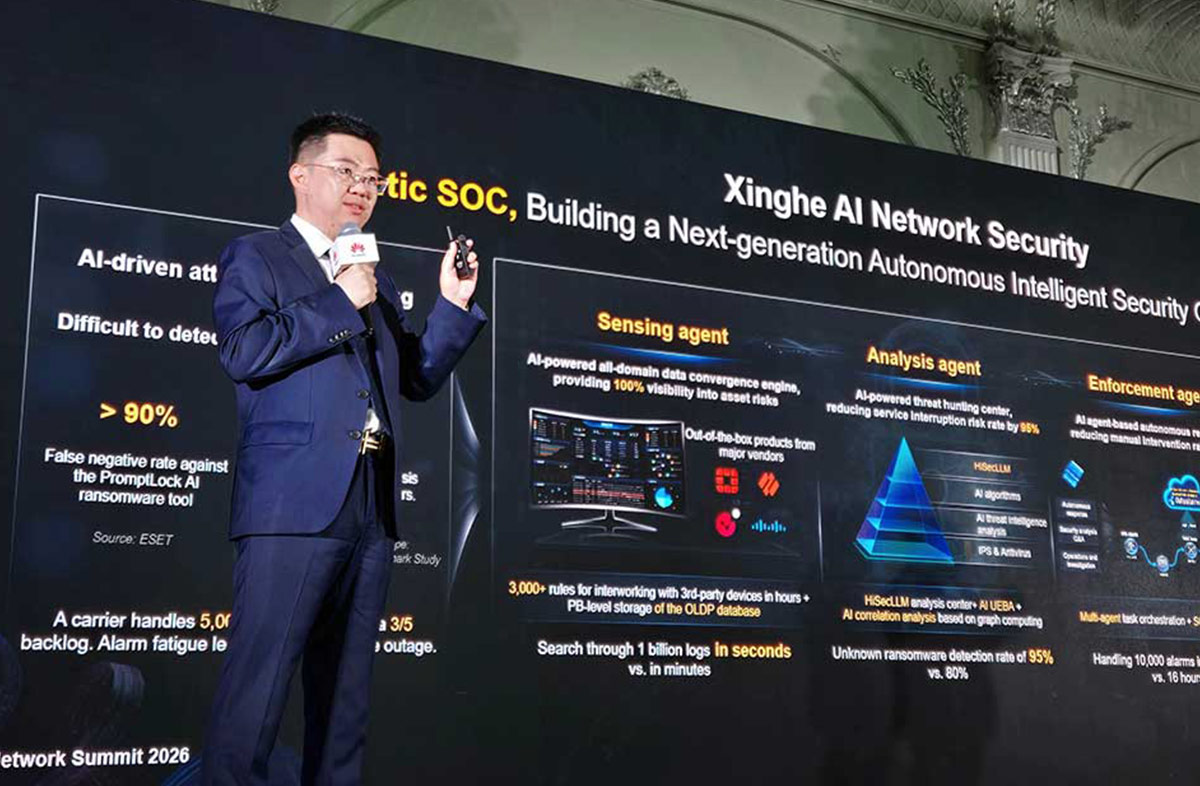
Huawei introduced its new Xinghe AI Network Security Agentic SOC (Security Operations Center) solution during the Huawei Network Summit 2026 Nor...

Microsoft introduced a new PostgreSQL extension for Visual Studio Code that allows developers to manage PostgreSQL databases directly from the e...

Red Hat announced the upcoming availability of Red Hat Enterprise Linux 10.2 and Red Hat Enterprise Linux 9.8. The new versions build on the cap...
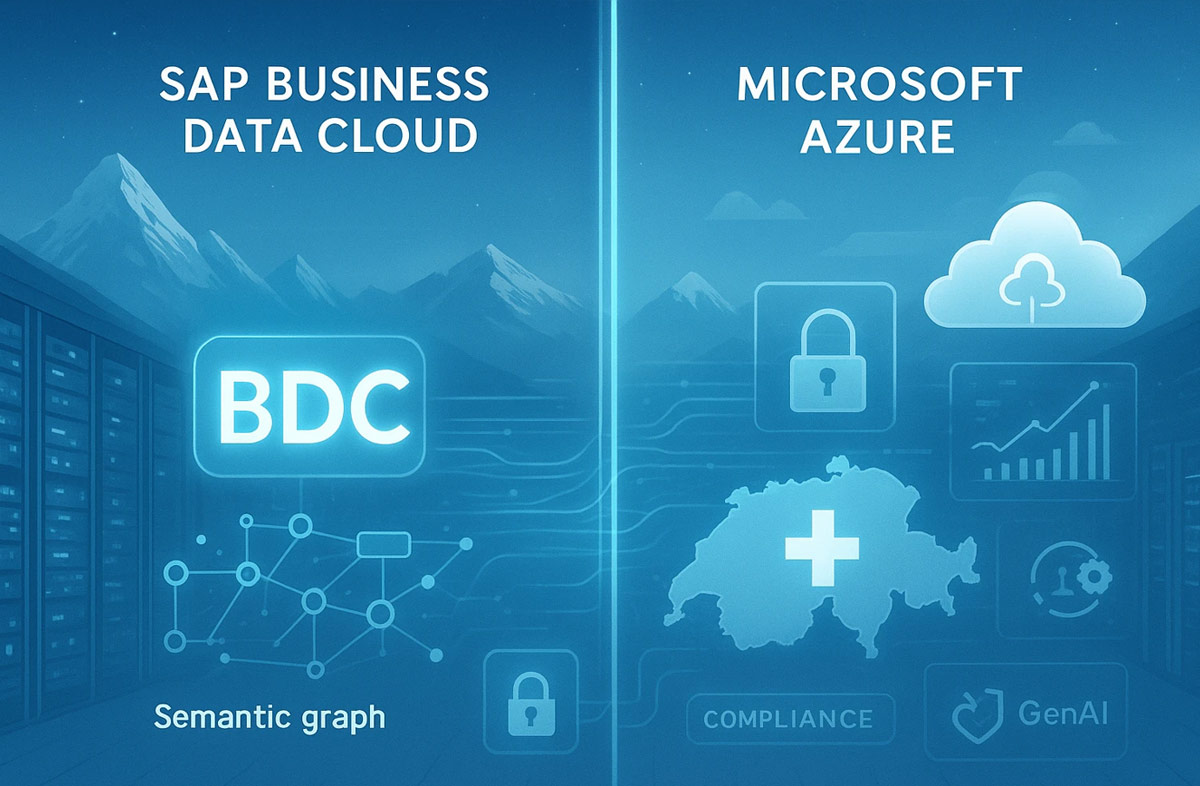
SAP and Microsoft announced that in the coming weeks SAP Business Data Cloud (BDC) will become available in Microsoft Azure data centers in Swit...
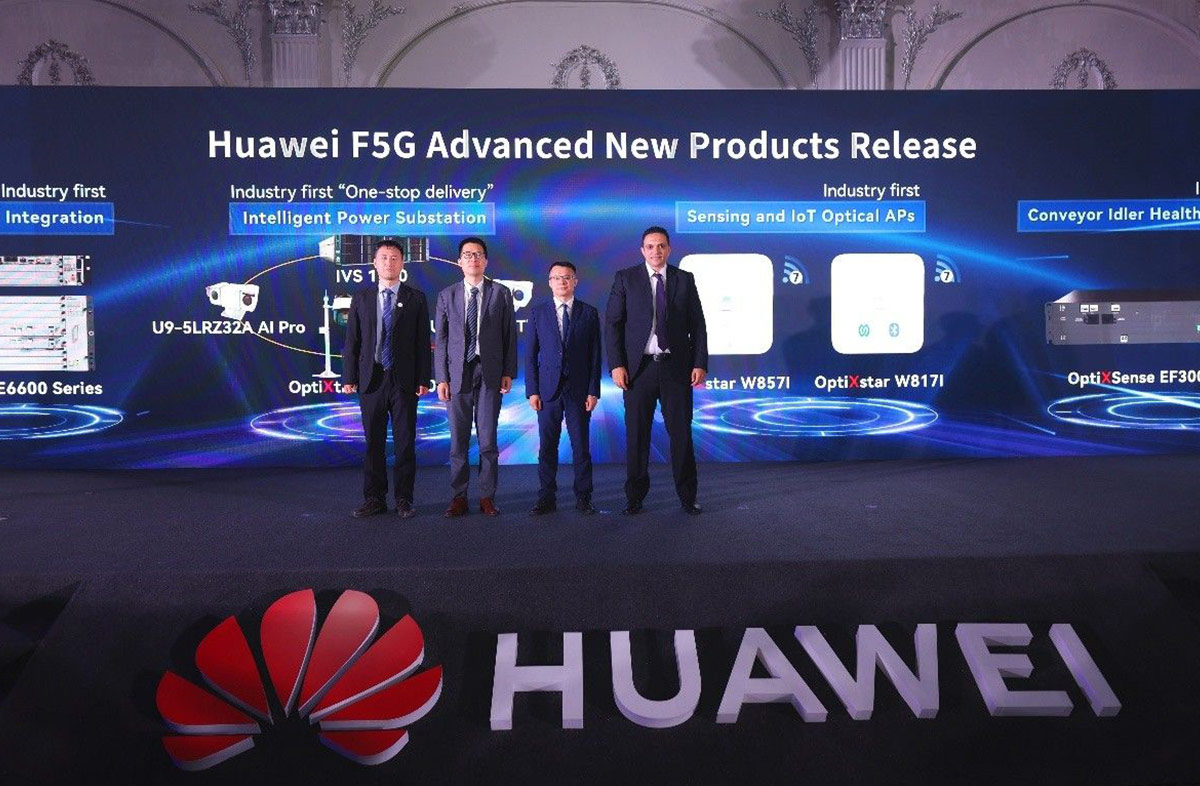
Huawei introduced new F5G-A solutions and products during the Huawei Intelligent Africa Congress 2026 in Cairo, Egypt. As part of the event, the...